Listening rooms, jazz kissa.
The Tokyo listening bar: warm wood, careful acoustics, a single performer, one record. The room that taught Ruşen how to keep its mouth shut.
The Japanese kissaten and its cousin the jazz kissa were not designed for cocktails. They were designed around a record - its weight, its crackle, the gap between tracks. Wood panelling, a tight ceiling, a single seat per table, a counter at chest height. The drink is a side object: a highball poured by a bartender who is also the listener and not the performer.
Tokyo translates that room into a bar program. Listening bars run from 18:00 to 02:00, mix a short cocktail list, and put the bartender between two speakers. The discipline is restraint: never turn the music down because it's too quiet, never turn it up because it's too loud. The dial is the architecture. We use that discipline at Ruşen to keep the cocktail list short and the room cold - one record, one pour, one seat.
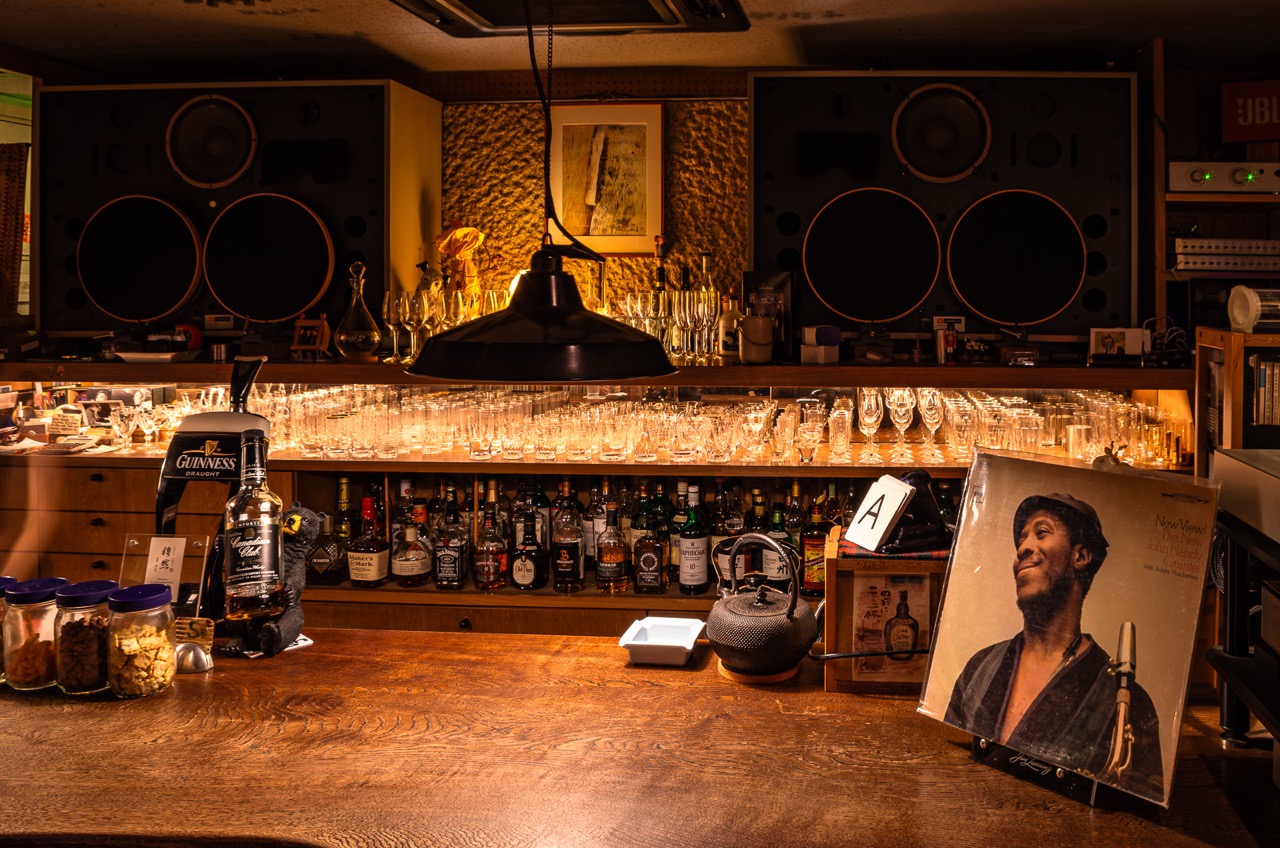
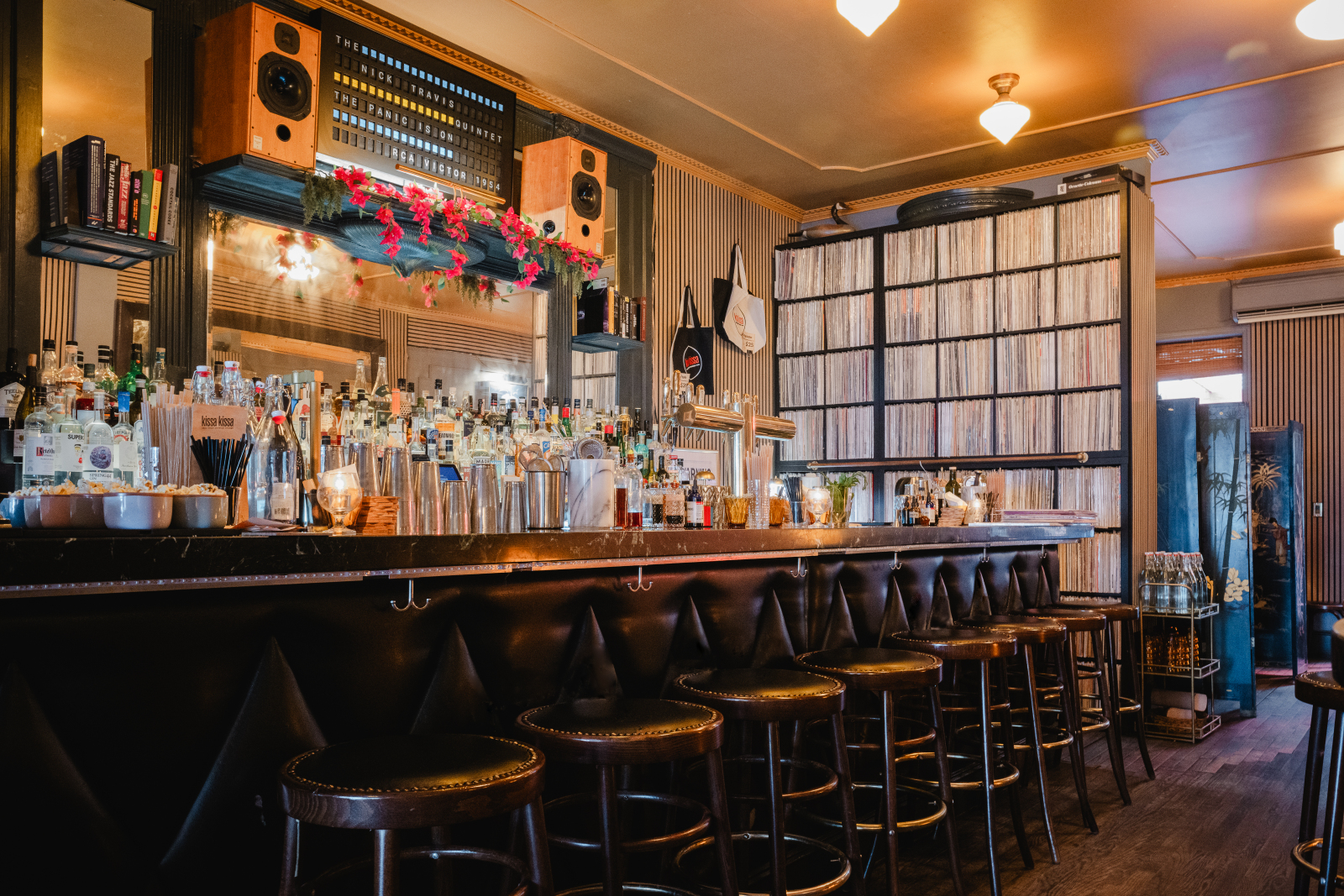
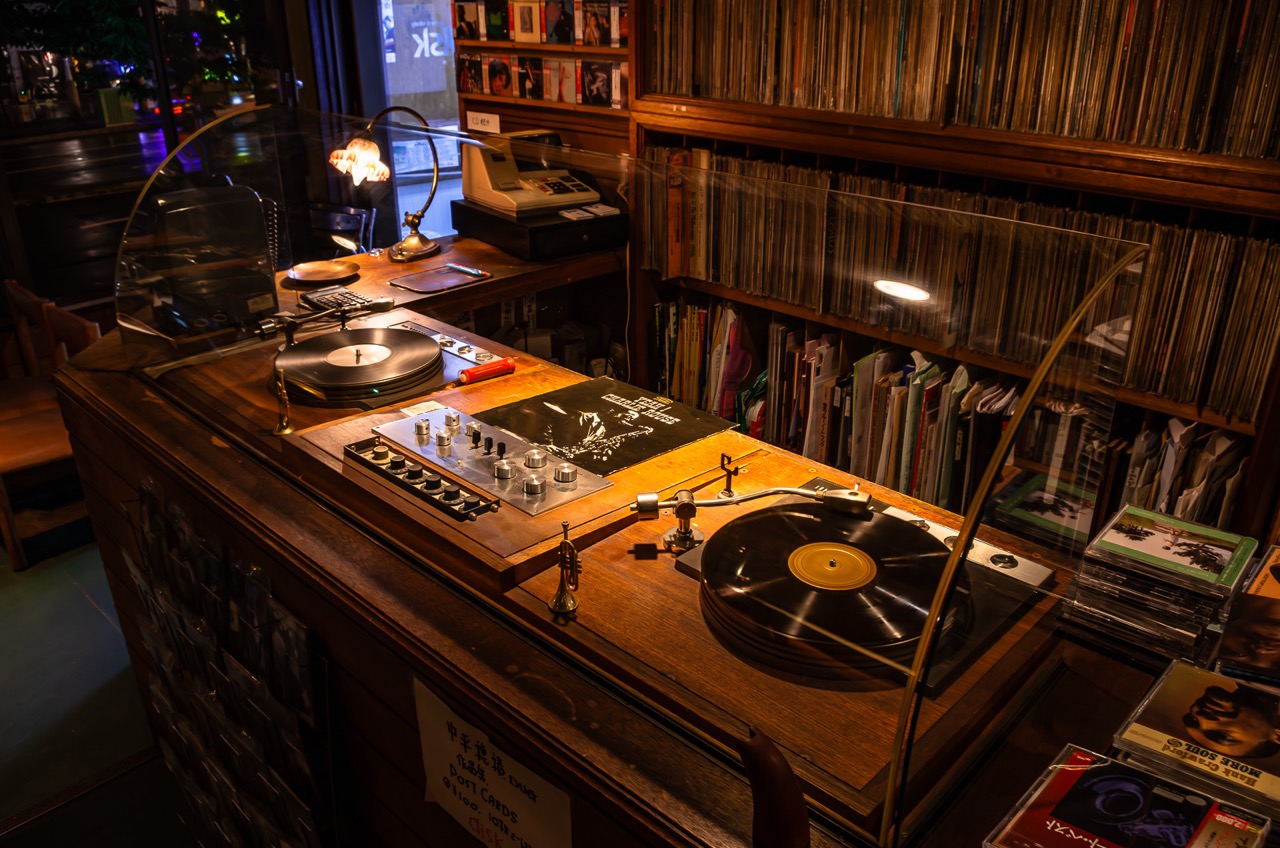
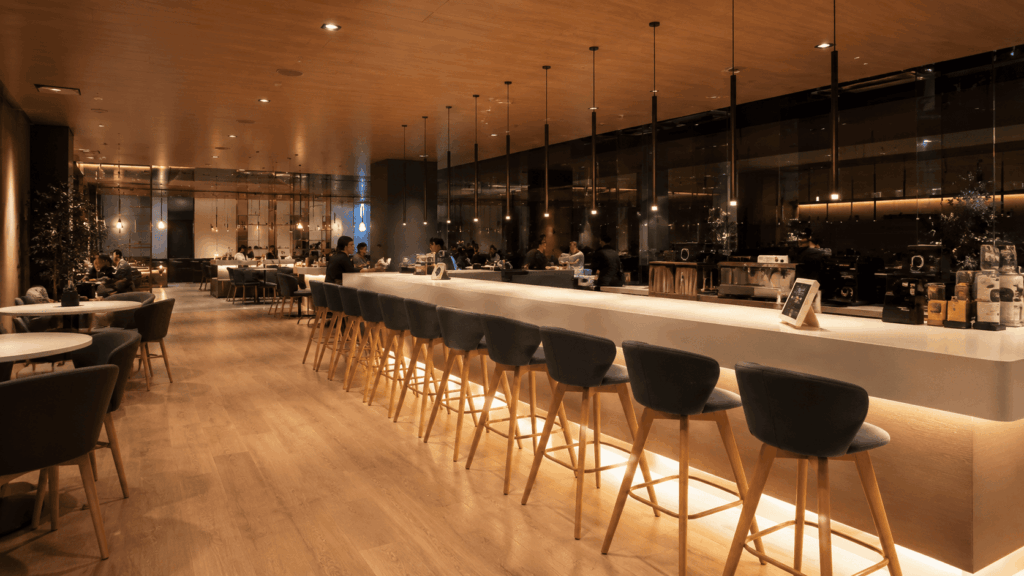
- N01
Counter height is 105 cm.
Tokyos's kissa counter sits 13 cm above Berlin's. The drink reaches eye level rather than hand level, and the bartender leans down rather than the customer leaning up. It changes the politeness of the room.
REFERENCESDOSSIER 02 · JP-01 · TOKYO - N02
Tungsten only, never LED.
LED lamps at 3000 K look warm on a white card. Inside wood and concrete they read as cold. Tungsten at 2700 K ages wood into amber and concrete into slate. The colour is doing the work - the lamp is not.
REFERENCESDOSSIER 02 · JP-01 · TOKYO - N03
Cocktail list is short on purpose.
Eight to twelve drinks, every one on a single page, every one a 1:1 ratio of gin or vodka to a single modifier. The Tokyo discipline of the short list is what protects the pour temperature: fewer drinks, fewer compromises, fewer failures.
REFERENCESDOSSIER 02 · JP-01 · TOKYO